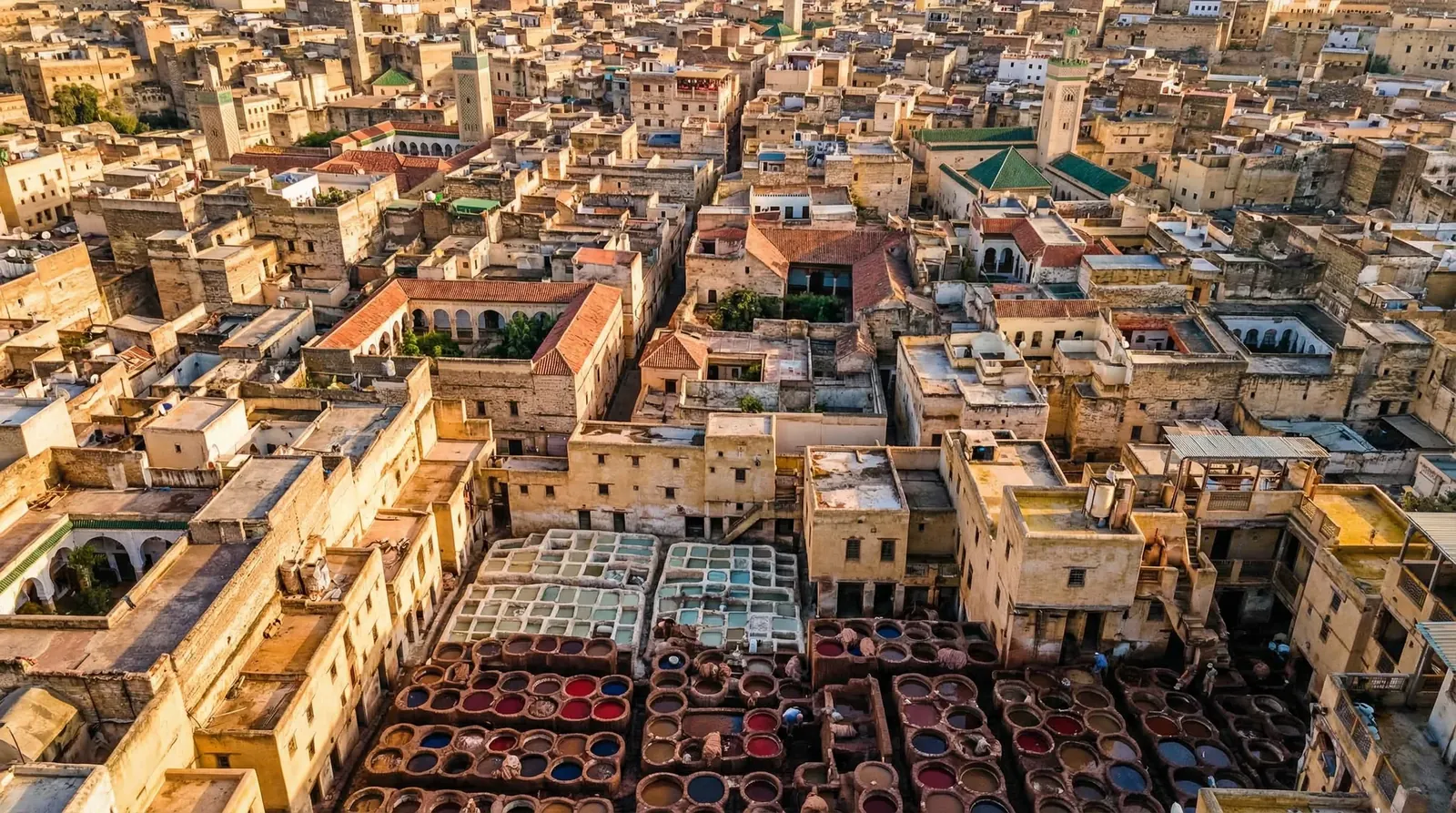
Yes — Morocco is one of the safest and most welcoming countries in North Africa for travellers, and Chefchaouen is among the gentlest stops of all: a small, walkable mountain town where the main day-to-day issues are mild hassle and the occasional overcharge, both easily managed.
In this guide
The honest picture
Morocco is politically stable and well used to international visitors. In Chefchaouen specifically, violent crime against tourists is very rare and the compact blue medina feels safe to wander day and night. The realistic concerns are minor: overcharging on a taxi or a souvenir, persistent (rather than dangerous) offers from informal 'guides', and the local cannabis trade in the surrounding Rif, which you should simply decline.
Travelling with a pre-arranged local driver removes most of the friction on the road approach from Tangier, Fes or Tetouan — you skip the grand-taxi haggling and arrive at your guesthouse door without the navigation guesswork.
Common scams and how to sidestep them
A handful of small-town situations account for most traveller complaints in Chefchaouen. None are dangerous; all are avoidable.
- Informal 'guides' near Plaza Uta el-Hammam offering to walk you to a viewpoint or shop for a tip. A polite no is enough; the medina is small and easy to navigate alone.
- Hashish (kif) offers in the medina and on Rif trails — common in this region. Declining firmly and moving on is the only sensible response.
- Grand-taxi and parking overcharging on arrival from Tangier, Fes or Tetouan. Agree the fare first, or pre-book a private transfer with a price fixed in writing.
- Photo 'gifts' — someone posing a goat, a basket or a doorway then asking for money. Agree a small price or decline before you raise the camera.
Practical safety
Tap water is best avoided for drinking — stick to bottled or filtered. Chefchaouen is a conservative mountain town, so dress modestly: covered shoulders and knees are appreciated in the medina. Solo and women travellers find the blue city one of the easier stops in Morocco; sensible habits (modest dress, confident body language, a pre-arranged car after dark for the road approaches) go a long way. On Akchour and Talassemtane hikes, carry water, tell your guesthouse your plan, and don't wander off-trail alone.
Frequently asked
Is Morocco safe for solo female travellers?
Many women travel Morocco solo successfully every year. Expect some attention and persistent vendors rather than danger. Dressing modestly, projecting confidence, and using arranged transport and licensed guides makes the experience smooth and rewarding.
Is it safe to walk in Chefchaouen's medina at night?
Yes — the blue medina is small and the area around Plaza Uta el-Hammam stays lively and well lit into the evening. The steep upper lanes get dark and quiet, so use a torch or your phone, and head back toward the main square if you lose your bearings.
Do I need any vaccinations for Morocco?
No special vaccinations are required for most travellers; routine vaccinations should be up to date. Check current advice from your doctor or a travel clinic before you go.
Planning a trip?
Let our team handle the details.
Tell us your dates and style and we'll send a written itinerary and a transparent quote within 24 hours.
Request an itineraryKeep reading
Planning
The Best Time to Visit Morocco
Spring (March–May) and autumn (September–November) are the best all-round times to visit Morocco — and for Chefchaouen in particular, when the Rif foothills are green, the indigo lanes glow in soft light and the Akchour trails run cool rather than scorching.
Culture
Morocco Etiquette & Customs
A little cultural awareness goes a long way in Morocco. Dress modestly, greet warmly, ask before photographing people, use your right hand, and embrace the unhurried pace of mint tea and conversation.
Practical
Getting Around Morocco
Morocco has good trains between the main cities, but Chefchaouen sits off the rail map in the Rif mountains — there is no train and no airport. You reach the blue city by road from Tangier (around 2 hours), Fes (around 4 hours) or Tetouan (around 1 hour), by CTM bus or private car.